RESOURCES

IMPLEMENTATION TOOLS
Stories that Shape Us
WHAT THE RESEARCH SAYS
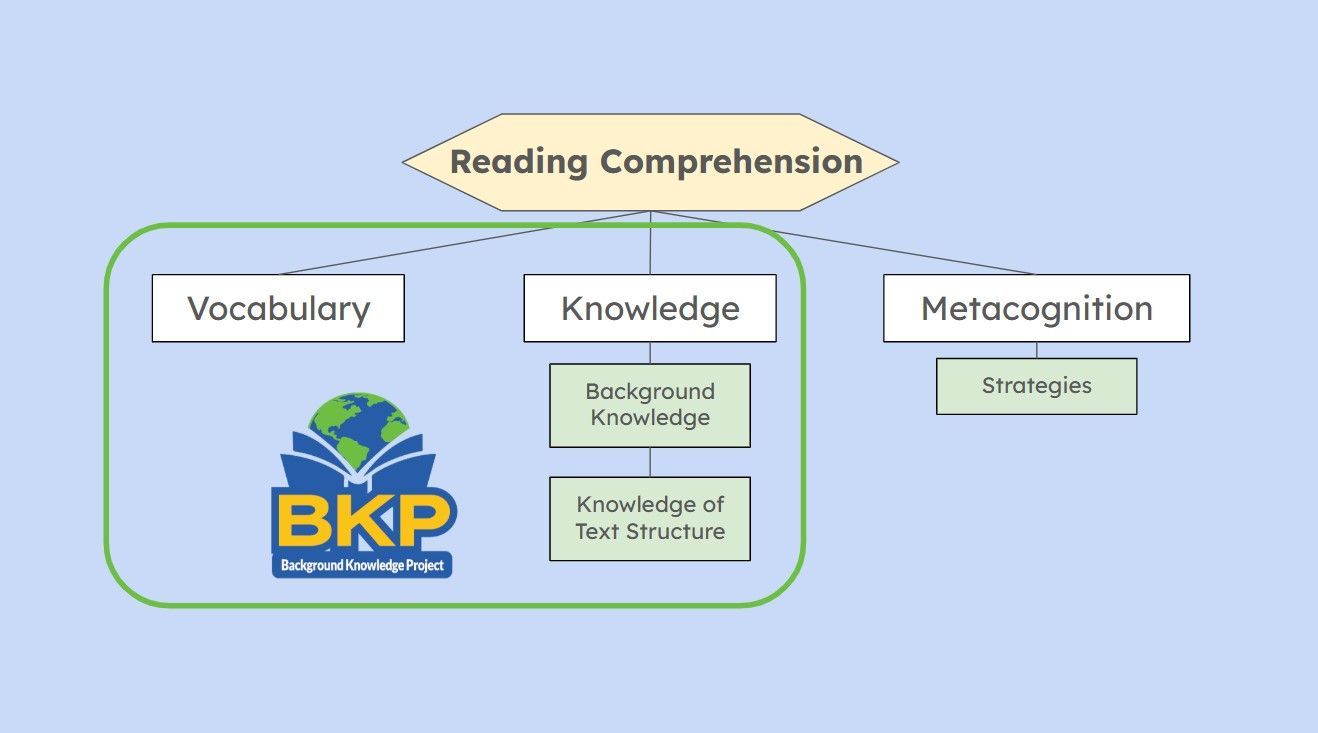
BUILDING BACKGROUND KNOWLEDGE
The 57 Most Important Words in Education Reform
Rick Hess (2014)
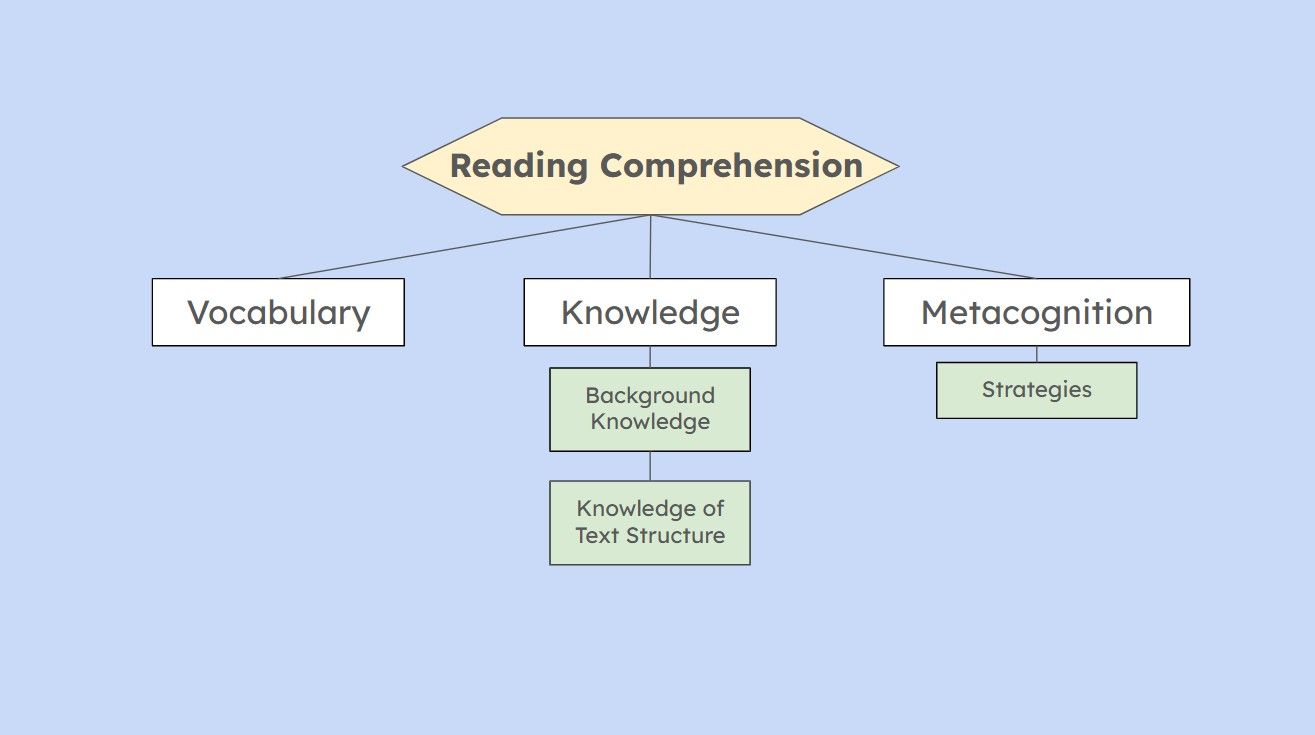
Robert Pondiscio explains the role knowledge plays in reading.
The Baseball Study by Recht & Leslie
Student Achievement Partners (2015)
Explains how background knowledge affects reading comprehension.
Why Prior Knowledge Wins the Game
Edutopia (2023)
Although schools have long prioritized discrete skills in reading instruction, education writer Natalie Wexler says building rich background knowledge could lead to more successful readers.
How Knowledge Helps: It Speeds and Strengthens Reading Comprehension, Learning- and Thinking
By Daniel T, Willingham
THE SCIENCE OF READING & LEARNING
How Learning Happens: Principles Every Teacher Should Know with Carl Hendrick
Melissa & Lori Love Literacy Episode 242 (2026)
Carl Hendrick discusses principles of learning and the role knowledge plays in learning.
WHY HISTORY MATTERS
A Case for Teaching History in Elementary School
History Matters Campaign Episode 1 (2025)
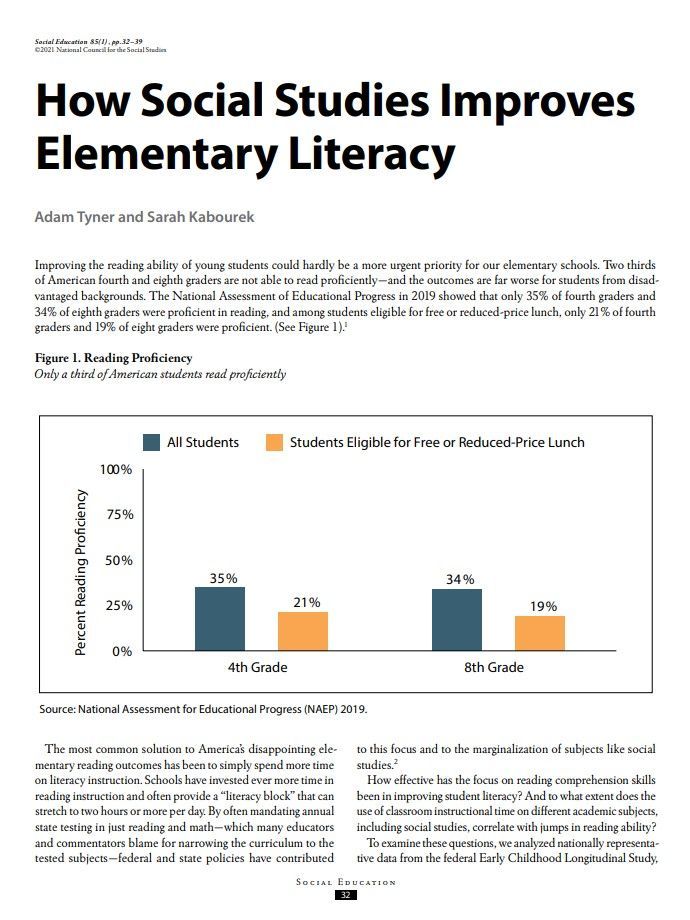
Elementary schools devote surprisingly little time to history—but why does that matter? In this episode of History Matters, host Barbara Davidson talks with educator and author Robert Pondiscio about how the shift away from knowledge-rich learning has impacted literacy. They explore why background knowledge, especially in history, is essential for strong reading and informed citizenship, and what schools can do to bring it back.